How to grow irises in Oklahoma
Modern bearded irises are tougher than their delicate blooms suggest, but Oklahoma heat, clay pockets, and spring wind ask for a few local habits. The notes below match what OIS members practice in the Will Rogers beds and in home gardens from Edmond to Norman.
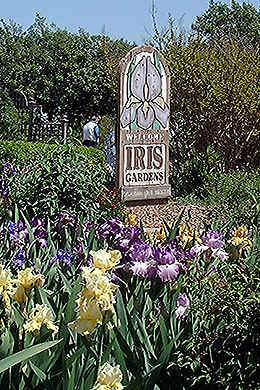

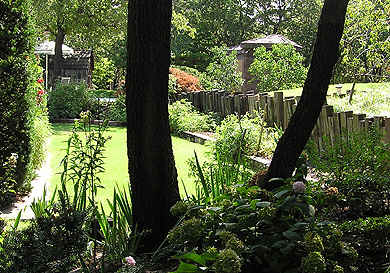
Site and soil
Give iris at least a half-day of sun. Full sun is fine if you water during blistering July stretches. Raise the bed slightly if water stands after storms—rhizomes rot faster in soggy clay than they ever freeze in winter. Work in compost, but keep the finished grade so rhizomes sit with their tops barely showing, not buried like tulips.
Planting and spacing
Plant or transplant after bloom, usually late summer into early fall when OIS digs for the rhizome sale. Fan the roots outward, firm soil around them, and water once to settle. Leave roughly a hand’s width between rhizomes so fans can multiply without crowding into a hard mat that stops blooming.
Seasonal care
- Spring: Clear winter mulch from the crowns as shoots rise. Stake tall varieties before storms if your garden is open to wind.
- Bloom: Cut spent stalks at the base; leave healthy green fans to feed the rhizome.
- Summer: Water deeply but infrequently during drought. Avoid soaking the crowns every evening.
- Fall: Divide overcrowded clumps every three to four years. Share extras at the society sale or with neighbors.
For show-table tips once your clumps are established, see How to enter an iris show. Meeting dates and dig days are on the calendar.